

Why Your Kitchen Sink Deserves a Gentler Clean
The kitchen sink is one of the hardest-working spots in the house. It deals with tea stains, cooking oil, coffee grounds, bits of carrot and the occasional splash of gravy, and it does all of that several times a day. It is also, unfortunately, the place where many of us reach straight for the harshest cleaner on the shelf.
The good news is that you do not need bleach-heavy sprays or abrasive powders to get a genuinely gleaming sink. Two store-cupboard staples, bicarbonate of soda and white vinegar, will lift discolouration, cut through grease and leave the stainless steel or ceramic looking properly fresh. They are kinder to your hands, kinder to the waterways and considerably cheaper than the branded alternatives.
Below is a routine you can run in under fifteen minutes, plus a few habits that keep the shine going between deep cleans.
The Small Kit That Does Most of the Work
You almost certainly already own most of this. Gather it before you start so you are not hunting for a cloth with wet hands.
- Bicarbonate of soda — the workhorse. It is mildly alkaline, so it dissolves grease and lifts stains without scratching.
- White vinegar — acidic, so it cuts through limescale and hard water marks and leaves a bright finish.
- A damp microfibre cloth and a second dry one for buffing.
- An old toothbrush for the rim, the overflow hole and the base of the taps.
- Washing-up liquid or a squirt of castile soap for greasy days.
- A lemon half, optional but lovely for the drain and the smell.
Step One: Clear, Rinse and Sprinkle
Start by removing the washing-up bowl, the drainer and anything else sitting in the sink. Rinse the basin with warm water so the surface is damp — bicarbonate of soda works far better on a damp surface than a dry one, because it needs a little moisture to do its job.
Now sprinkle a generous layer of bicarbonate of soda across the base and up the sides. You want a visible dusting, not a token pinch. For a standard sink, two to three heaped tablespoons is about right.
Take your damp cloth and work the powder into a paste, rubbing in small circles. Pay attention to the waterline where the sink meets the bowl, the area around the plughole and any tea or coffee staining near the edges. The paste should feel slightly gritty but never scratchy. Leave it to sit for five minutes while you deal with the taps.
Step Two: Taps, Rim and the Awkward Corners
Limescale collects fastest around the base of the tap and along the back rim, which is exactly where a sponge will not reach. A few drops of white vinegar on an old toothbrush will shift it. Work around the base of the tap, the spout and any lever handles, then wipe clean with a damp cloth.
- The overflow hole — often overlooked and often the source of a lingering smell. Flush it with warm water and a little vinegar.
- The drain — pour half a mug of bicarbonate of soda down it, followed by a mug of white vinegar. Let it fizz for ten minutes, then flush with hot water from the kettle.
- Stubborn marks on ceramic — a paste of bicarbonate and a drop of water left for ten minutes will usually lift them without abrasion.
One word of caution: vinegar is brilliant on stainless steel and ceramic, but avoid it on natural stone sinks and worktops such as marble or granite, as the acid will dull the surface over time. Never use it on aluminium either.
Step Three: The Vinegar Rinse
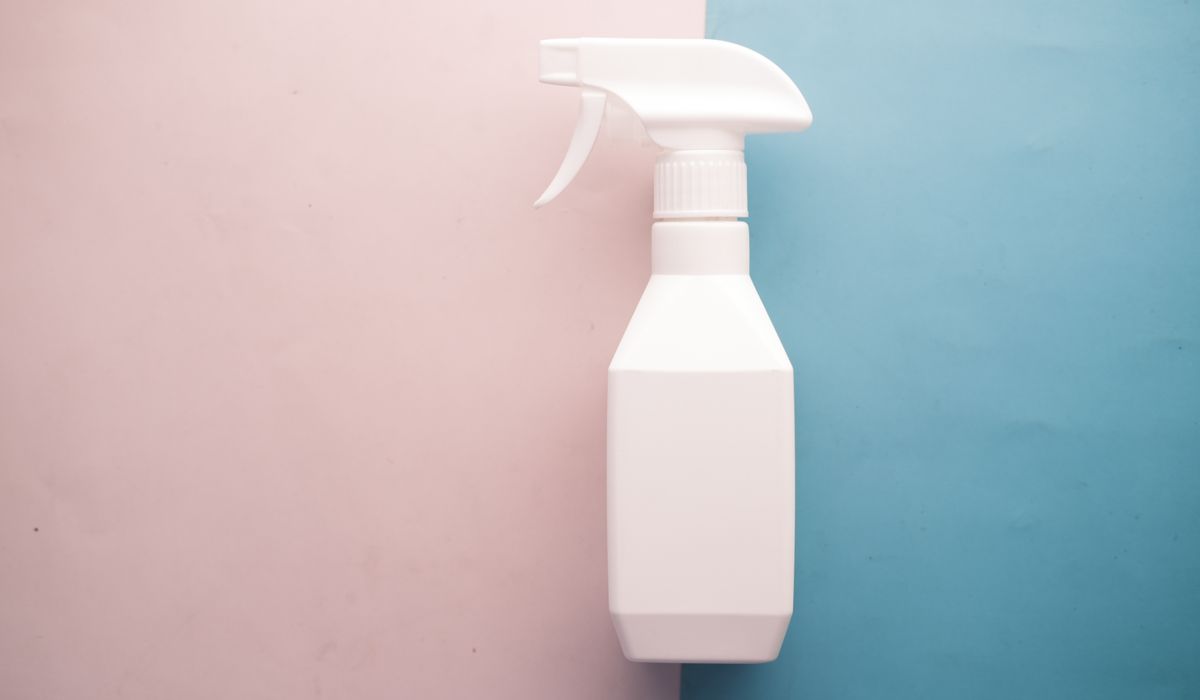
Once you have wiped away the bicarbonate paste, rinse the basin thoroughly with warm water. Then, for the finishing touch, mix one part white vinegar with three parts water in a spray bottle, or simply splash a little neat vinegar onto a clean cloth.
Wipe the whole sink down with it. This is the step that removes the last traces of residue, dissolves any fresh water marks and leaves the surface looking genuinely bright rather than merely clean. Do not be tempted to mix the vinegar and bicarbonate together in the bowl at this stage — they neutralise each other, and you lose the benefit of both.
Finish by buffing with a dry microfibre cloth. That final polish is what gives stainless steel its sheen and helps repel water spots for the next day or two.
Keeping It Fresh Between Deep Cleans
A little daily attention means you rarely need to do the full routine. A quick wipe with hot soapy water after the last wash-up of the evening takes thirty seconds and keeps grease from setting. Rinse the plug and drain strainer properly rather than leaving food debris to sit overnight.
Once a week, pour a kettle of hot water down the drain to keep it clear. If the sink is used heavily for greasy pans, keep a spray bottle of diluted vinegar under the sink and give the basin a light mist and wipe each morning. Empty the drainer and washing-up bowl regularly too, as sitting water is what tends to leave rings behind.
Done this way, your kitchen sink stays clean with nothing more aggressive than bicarbonate of soda, vinegar, hot water and a bit of elbow grease. It is quieter on the senses, gentler on the environment and, rather pleasingly, it works.


Coding is used in almost all aspects of life and work now, be it directly or indirectly. It’s not just for companies in the tech sector. “An increasing number of businesses rely on computer code,
Coding is used in almost all aspects of life and work now, be it directly or indirectly. It’s not just for companies in the tech sector. “An increasing number of businesses rely on computer code,
Coding is used in almost all aspects of life and work now, be it directly or indirectly. It’s not just for companies in the tech sector. “An increasing number of businesses rely on computer code,