

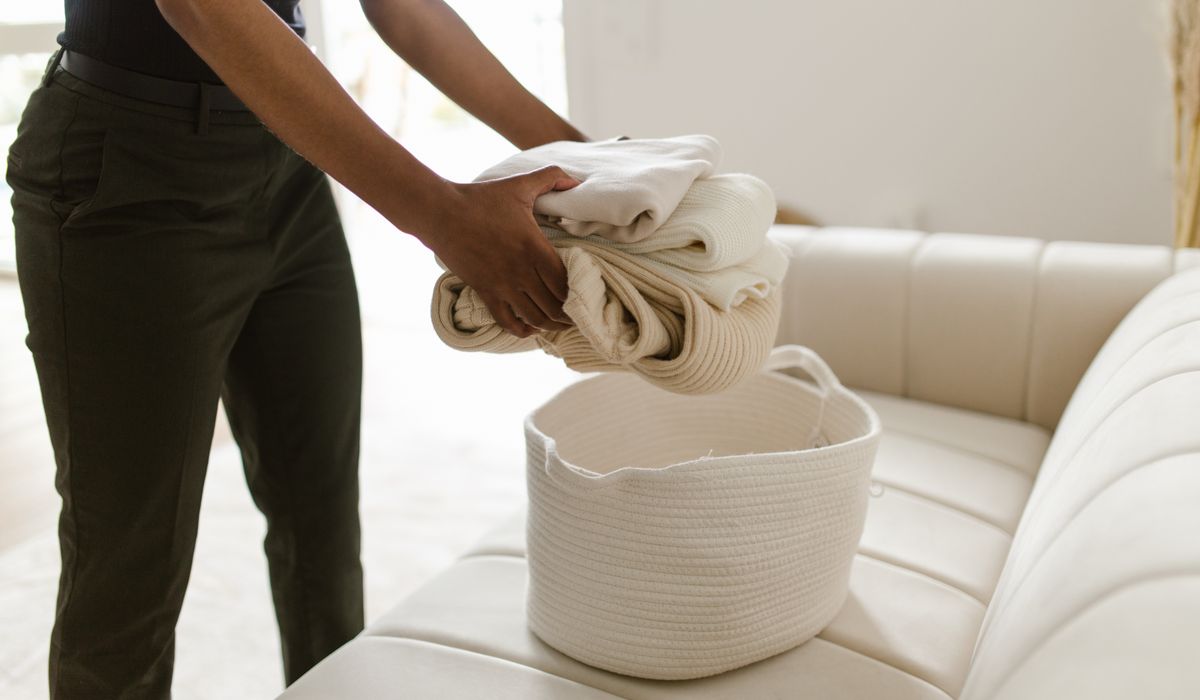
Your cleaning routine is probably one of the biggest hidden sources of plastic waste in your home. Think about it: spray bottles, washing-up liquid bottles, disposable wipes, and those little pouches of floor cleaner. They all pile up in the bin week after week. The good news is that you do not need to overhaul everything at once. A few clever swaps and a little organisation can cut your plastic packaging dramatically, month by month.
Why Your Cleaning Cupboard Is a Plastic Hotspot
Most conventional cleaning products come in single-use plastic. A typical household might get through four or five spray bottles a month, plus a pack of disposable wipes, plus various bottles for bathrooms, kitchens, and floors. That adds up to dozens of bottles and wrappers every year. Even recycling does not solve the problem, because plastic degrades each time it is reprocessed, and much of it still ends up in landfill or the environment. The simplest solution is to stop bringing the packaging home in the first place.
Switch to Refillable Bottles
One of the easiest changes is to buy a sturdy spray bottle once and refill it forever. Choose a glass or thick plastic bottle with a good-quality trigger. Then buy cleaning solutions in concentrated form, either as a liquid concentrate or as a powder you mix with water. A single 500ml concentrate can make up to ten spray bottles of ready-to-use cleaner. That means ten fewer plastic bottles in your bin.
- Invest in two or three labelled bottles: one for kitchen, one for bathroom, one for glass.
- Keep a large refill container under the sink and top up your spray bottles weekly.
- Use a funnel to avoid spills, and wipe the bottle clean after refilling.
- Choose concentrates that are plant-based and free from harsh chemicals, so they are safe for septic tanks and waterways.
If you already have a favourite cleaner, check whether the brand offers a refill pouch or a concentrated version. Many do, and the pouch uses up to 80% less plastic than a new bottle.
Try Concentrated Tablets and Refills
Concentrated tablets are another game-changer. You simply drop one tablet into a bottle of warm water, wait for it to dissolve, and you have a full bottle of cleaner. These tablets often come in compostable or paper-based packaging, so there is no plastic at all. They work for multi-surface cleaners, glass cleaners, and even floor cleaners. For washing up, look for solid dish blocks or refillable liquid concentrates. A solid block can last as long as several bottles of liquid, and it comes wrapped in paper or card.
For the bathroom, consider refillable toilet cleaner tablets or a concentrated gel that you dilute in a reusable bottle. For the kitchen, a concentrated degreaser in tablet form can replace a spray bottle of surface cleaner. Always follow the dilution instructions, and label your bottles clearly so you know what is inside.
Choose Reusable Cloths Over Disposables
Disposable wipes are convenient but terrible for the environment. They are often made from polyester and do not break down. Swap them for reusable cloths. Microfibre cloths are excellent for dusting and wiping, whilst old cotton t-shirts cut into squares make great general-purpose rags. You can also find cloths made from bamboo or recycled fibres. Keep a stack in a small basket or drawer. After use, rinse them, then wash them with your regular laundry. A set of ten cloths can last for years and replace hundreds of disposable wipes.
- Use colour-coded cloths: blue for glass, yellow for kitchen, pink for bathroom.
- Wash cloths at 60°C to sanitise them, and avoid fabric softener, which reduces absorbency.
- For stubborn messes, keep a separate scrubbing brush or a loofah made from natural fibres.
- Hang cloths to dry after use to prevent them from smelling musty.
Organise Your Supplies to Avoid Overbuying
Plastic waste often comes from buying duplicates because you cannot find what you already have. Take ten minutes to sort your cleaning cupboard. Group similar items together, check what you actually use, and donate or use up anything you have not touched in a year. Store your refillable bottles, tablets, and cloths in a caddy or a dedicated shelf. Keep a small stash of concentrated refills so you are never tempted to grab a plastic bottle at the shop. A simple inventory list on the inside of the cupboard door can help you remember what you need.
Consider decanting refills into smaller bottles for daily use, but keep the bulk container out of the way. Use a shower caddy or a bucket to carry supplies from room to room, so you do not leave half-used bottles scattered around. When you finish a product, rinse the bottle and put it straight into your refill box for next time.
Build Small Habits That Add Up Month by Month
You do not need to be perfect. Start with one swap, such as refillable spray bottles, and get used to it. Then add concentrated tablets the next month. Then switch to reusable cloths. Each change reduces the amount of plastic you throw away. Over a year, a household that makes these swaps can easily avoid several hundred items of plastic packaging. That is a real difference, and it makes your cleaning routine simpler, cheaper, and kinder to the planet. Your future self, and the bin, will thank you.


Coding is used in almost all aspects of life and work now, be it directly or indirectly. It’s not just for companies in the tech sector. “An increasing number of businesses rely on computer code,
Coding is used in almost all aspects of life and work now, be it directly or indirectly. It’s not just for companies in the tech sector. “An increasing number of businesses rely on computer code,
Coding is used in almost all aspects of life and work now, be it directly or indirectly. It’s not just for companies in the tech sector. “An increasing number of businesses rely on computer code,